


The New Breaking Point: The Kremlin’s Playbook in Latin America
The Center for the Study of Democracy (CSD), based in Bulgaria, and CADAL organized the dialogue and strategic foresight workshop “The New Breaking Point: The Kremlin’s Playbook in Latin America” at the German Club of Buenos Aires. The event brought together experts, independent researchers, and diplomats to analyze the evolution of Russian tactics and the structural vulnerabilities that allow both internal and external actors to capture strategic sectors.
Amid rising geopolitical tensions, Latin America is emerging as a key arena in the competition between global powers. Following the unprecedented sanctions imposed by the West on Russia, the Kremlin has sought to expand its influence through economic leverage, hybrid warfare tactics, and disinformation campaigns in Latin America, Africa, and Asia.
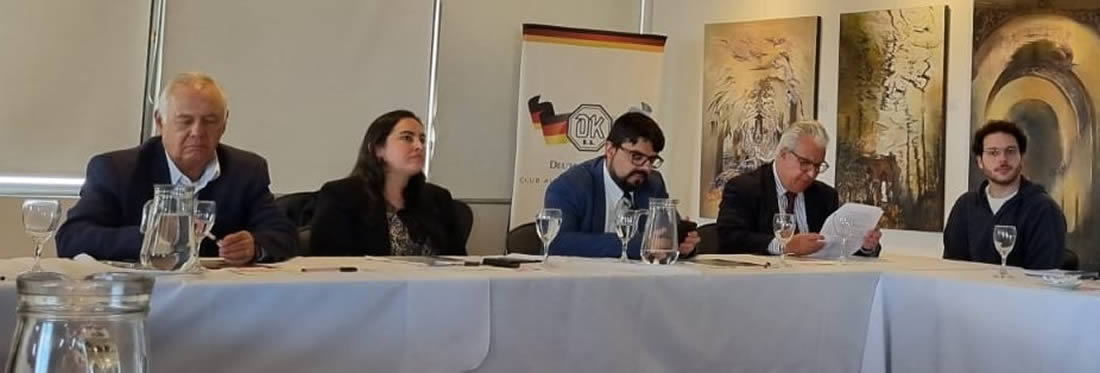
The event was opened with remarks from Martín Vladimirov, Director of the Energy, Climate and Geoeconomics Program at the Center for the Study of Democracy (Bulgaria), and Gabriel C. Salvia, General Director of CADAL (Argentina).
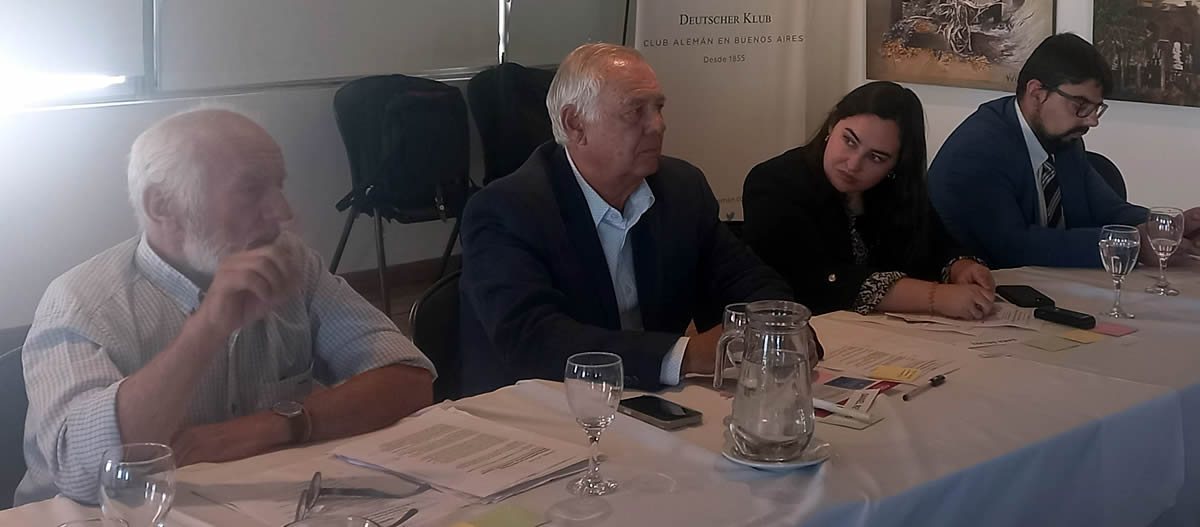
The first part of the meeting focused on analyzing vulnerabilities in Argentina’s energy system. Speakers included Daniel A. Redondo, Chemical Engineer, energy consultant, and former Secretary of Energy Planning of Argentina; and Andrés Repar, Engineer, Vice President of the Scalabrini Ortiz Energy Institute (IESO), energy consultant, and former Vice President of the National Gas Regulatory Entity (ENARGAS).
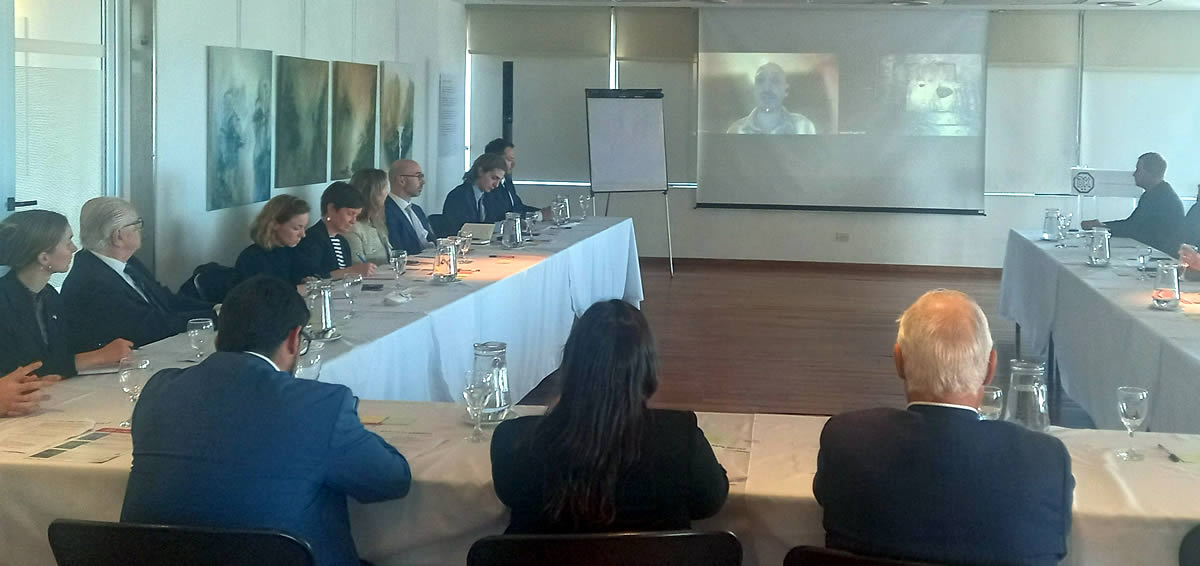
Ignacio E. Hutin, Associate Researcher at CADAL, participated in the discussion virtually.
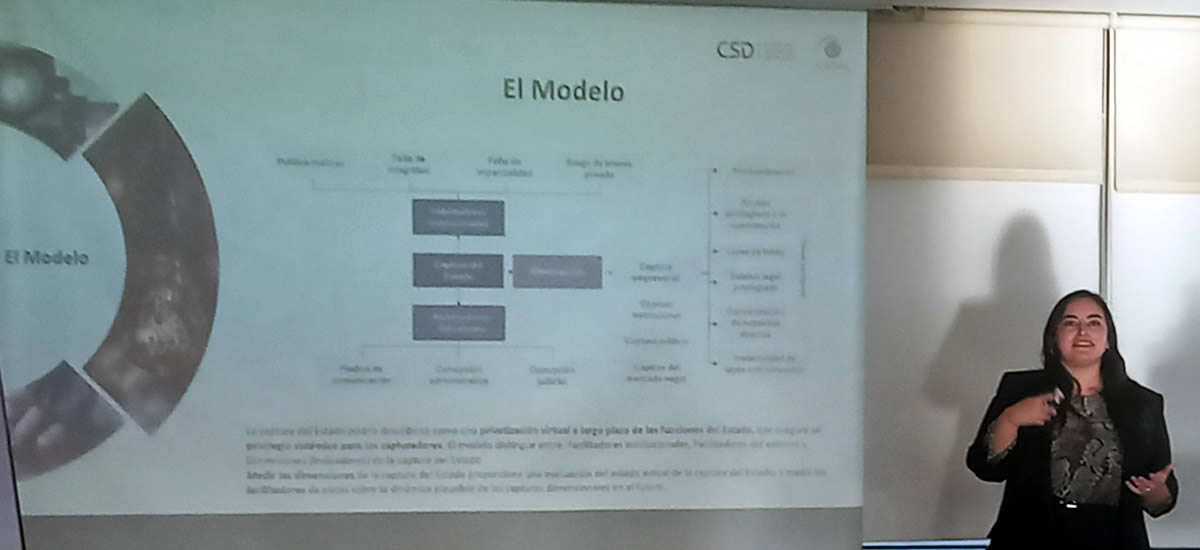
In the second part, Sara Gálvez, Analyst for the Geoeconomics Program at the Center for the Study of Democracy, gave a brief introduction to the dynamics of the Strategic Foresight Mapping workshop.
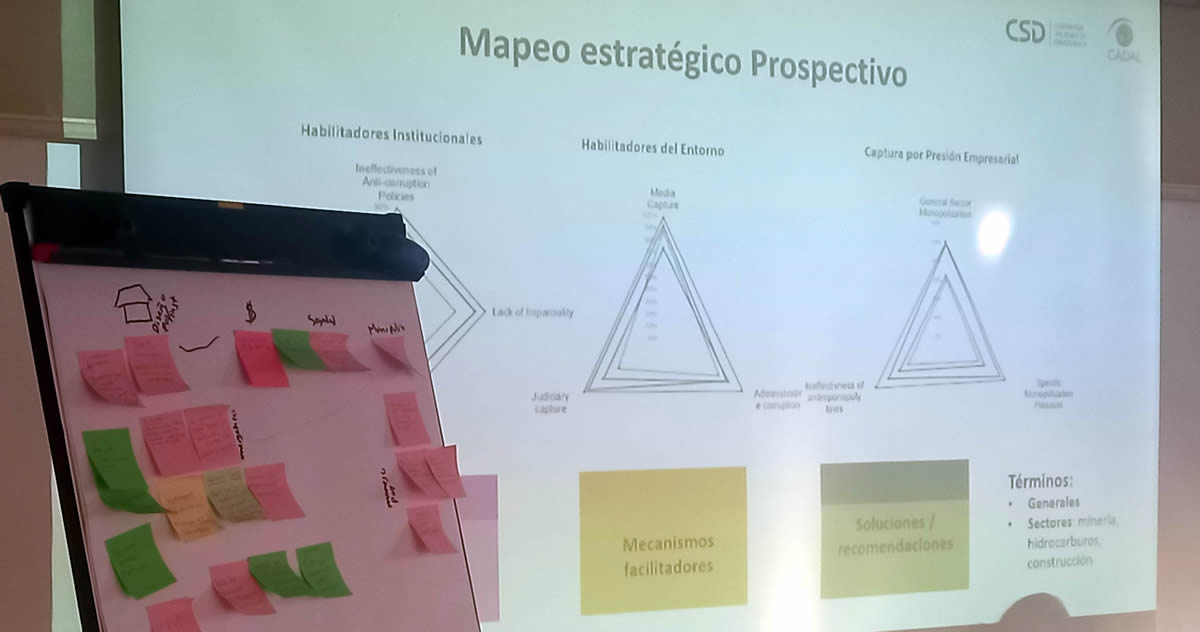
The aim of the second part was to identify root causes, enabling mechanisms, and potential solutions to democratic vulnerabilities and risks of state capture.
Amid rising geopolitical tensions, Latin America is emerging as a key arena in the competition between global powers. Following the unprecedented sanctions imposed by the West on Russia, the Kremlin has sought to expand its influence through economic leverage, hybrid warfare tactics, and disinformation campaigns in Latin America, Africa, and Asia.
The event was opened with remarks from Martín Vladimirov, Director of the Energy, Climate and Geoeconomics Program at the Center for the Study of Democracy (Bulgaria), and Gabriel C. Salvia, General Director of CADAL (Argentina).
The first part of the meeting focused on analyzing vulnerabilities in Argentina’s energy system. Speakers included Daniel A. Redondo, Chemical Engineer, energy consultant, and former Secretary of Energy Planning of Argentina; and Andrés Repar, Engineer, Vice President of the Scalabrini Ortiz Energy Institute (IESO), energy consultant, and former Vice President of the National Gas Regulatory Entity (ENARGAS).
Ignacio E. Hutin, Associate Researcher at CADAL, participated in the discussion virtually.
In the second part, Sara Gálvez, Analyst for the Geoeconomics Program at the Center for the Study of Democracy, gave a brief introduction to the dynamics of the Strategic Foresight Mapping workshop.
The aim of the second part was to identify root causes, enabling mechanisms, and potential solutions to democratic vulnerabilities and risks of state capture.
 Leer esta nota en Español